October 24, 2026
Soil erosion and poor drainage can create significant challenges for property owners. When rainwater flows across exposed ground or collects in unwanted areas, it can gradually damage lawns, weaken soil stability, and threaten nearby structures. These problems often develop slowly, making them difficult to recognize until visible damage appears.
Professional landscaping plays an important role in managing these concerns by improving soil protection, directing water movement, and supporting healthy vegetation. Thoughtful property maintenance can help reduce runoff, minimize soil displacement, and create outdoor spaces that remain functional throughout changing weather conditions.
Understanding How Soil Erosion Affects Your Property
Soil erosion occurs when water, wind, or other environmental forces gradually remove the upper layers of soil. Rainfall is a particularly common contributor because moving water carries loose particles away from their original locations.
Properties with exposed soil, steep slopes, or insufficient vegetation are especially vulnerable. Without adequate ground coverage, rainfall can create channels that become deeper during repeated storms. Over time, these channels may develop into noticeable depressions or unstable areas.
Erosion also removes nutrient-rich topsoil, making it more difficult for grass and other vegetation to grow. As soil quality declines, the ground becomes increasingly vulnerable to additional damage.
Improving How Vegetation Protects the Soil
Healthy vegetation provides an essential defense against soil erosion. Grass, shrubs, and other plants help secure soil through their root systems while reducing the direct impact of rainfall on exposed ground.
Grass roots create interconnected networks beneath the surface that hold soil particles together. This natural reinforcement helps prevent loose material from washing away when rainwater moves across a property.
Plants also slow surface runoff by creating physical barriers that interrupt water movement. Slower water generally carries less sediment, reducing the amount of soil displaced during rainfall.
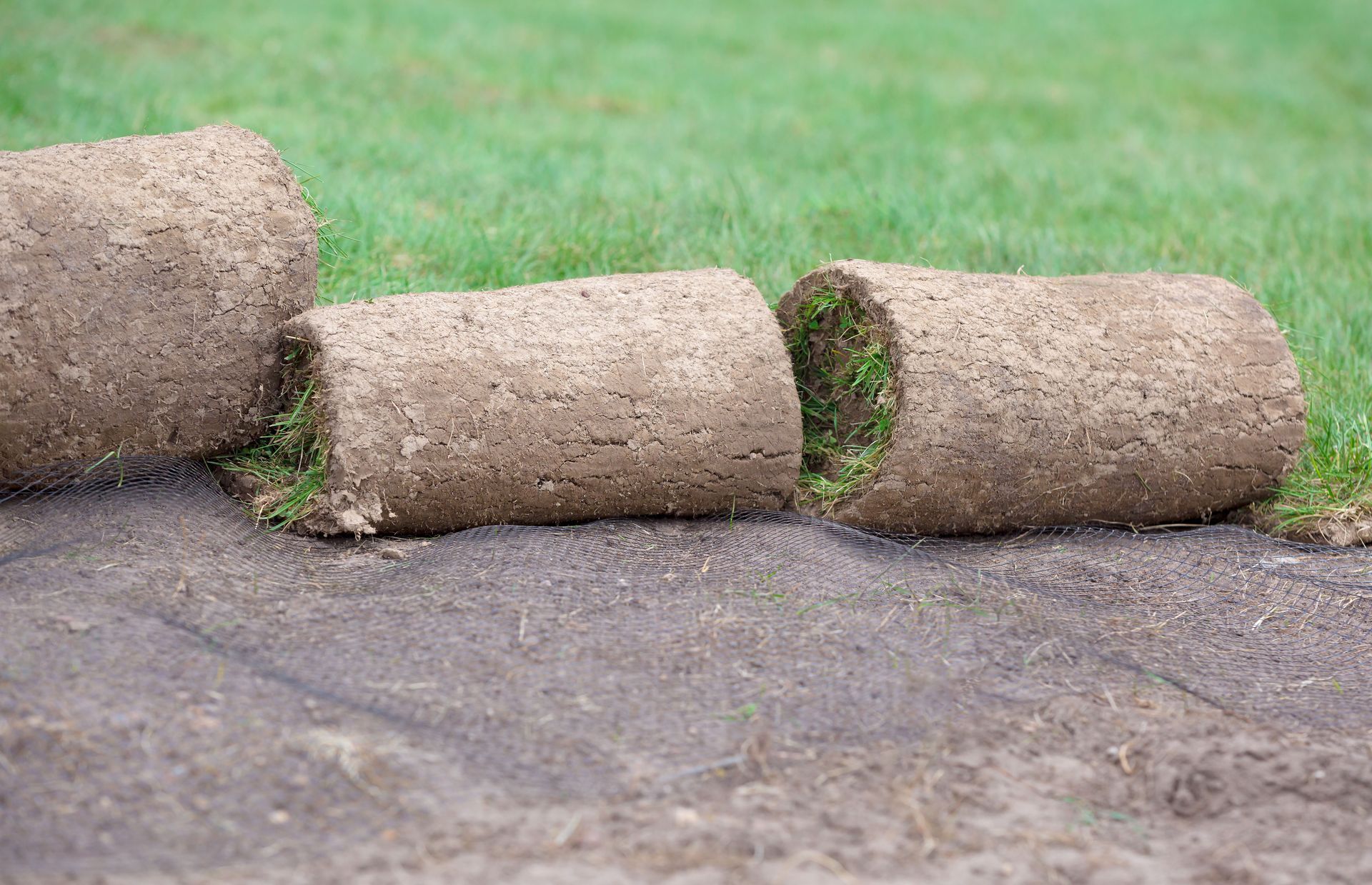
Professional landscaping services can support vegetation health through appropriate lawn maintenance and thoughtful plant selection. Establishing suitable ground coverage is particularly important for properties with sloped terrain or areas that experience frequent runoff.
Managing How Water Moves Across the Property
Effective drainage depends on understanding how water naturally travels across outdoor spaces. Rainwater generally follows the contours of the ground, collecting in low areas or moving downhill toward nearby drainage outlets.
When these pathways are obstructed or poorly defined, water may accumulate near buildings, walkways, or landscaped areas. Persistent moisture can weaken soil structure, damage vegetation, and contribute to foundation-related concerns.
Professional landscaping can help improve surface grading and guide runoff toward appropriate drainage locations. The goal is to encourage controlled water movement without allowing excessive flow to concentrate in vulnerable areas.
Proper grading is especially important near structures because standing water can increase soil saturation around foundations. Changes in moisture conditions may contribute to soil movement, particularly where expansive soils are present.
Reducing How Mulch Limits Surface Erosion
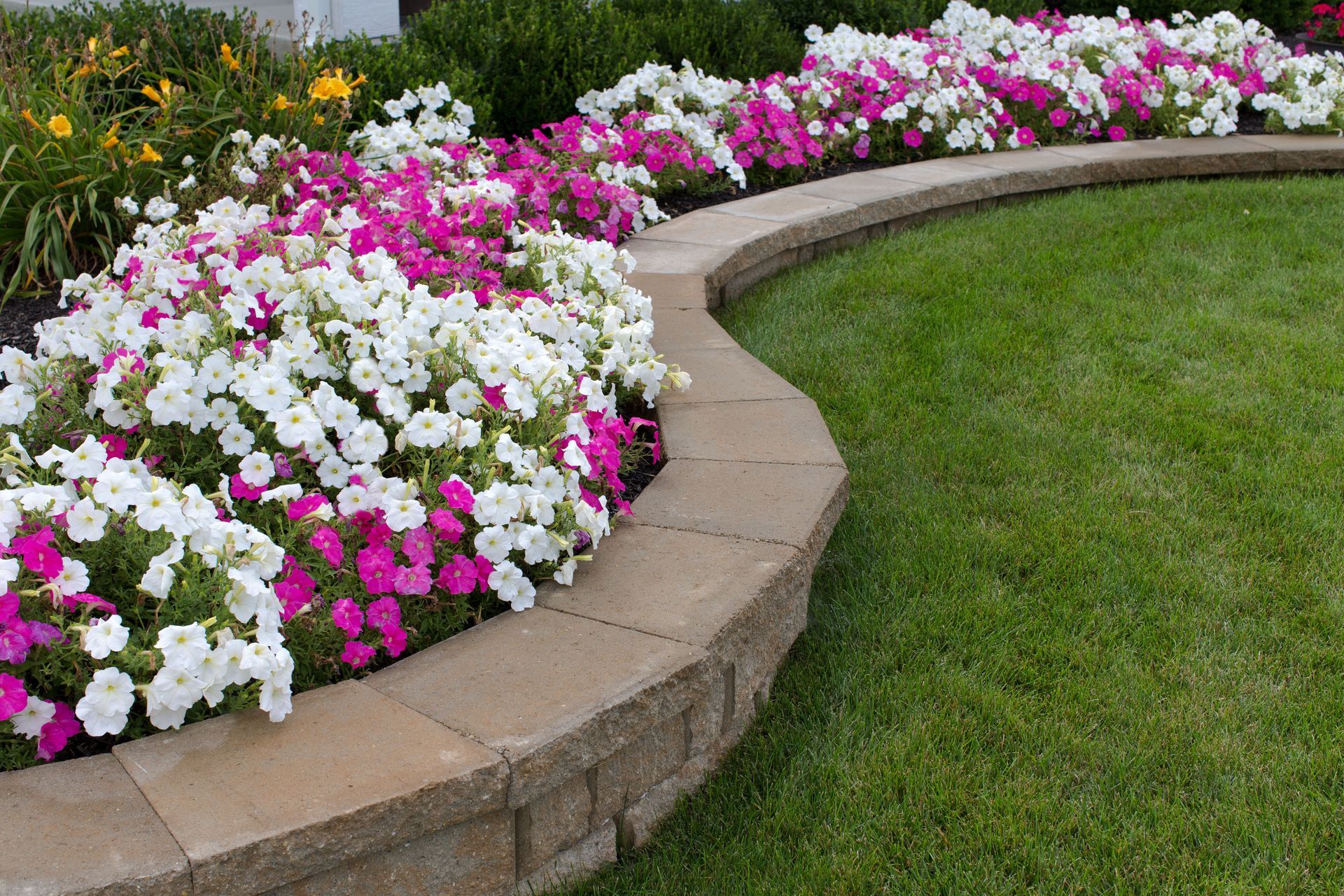
Mulch provides protective ground coverage in areas where grass may be unsuitable or where decorative planting beds require additional soil protection.
Organic mulch materials help soften the impact of rainfall before water reaches exposed soil. This protective layer can reduce the movement of loose particles and help preserve the structure of the underlying ground.
Mulch also supports moisture management by limiting evaporation and moderating soil temperature. More consistent soil conditions can benefit established plants and encourage healthier root development.
However, mulch placement requires consideration of drainage conditions. Excessive accumulation or poorly positioned material may interfere with water movement or contribute to unwanted moisture retention near structures.
Professional landscaping services can incorporate appropriate ground coverings into a broader erosion-control strategy. Mulched planting beds, maintained vegetation, and suitable grading can work together to protect vulnerable surfaces.
Strengthening How Drainage Features Control Runoff
Some properties require dedicated drainage features to manage water effectively. These systems can help redirect excess moisture away from areas where pooling or concentrated runoff creates recurring problems.
Surface drains, underground drainage pipes, and carefully designed channels serve different purposes depending on the property's conditions.
For example, surface drainage features may collect water from low areas, while underground systems can transport captured runoff toward suitable discharge locations.
Swales are another drainage feature that may help guide water across landscaped terrain. Their gently contoured surfaces allow runoff to move along designated pathways instead of spreading unpredictably.
Professional landscaping assessments can help determine how these features might integrate with existing slopes and vegetation.
Successful drainage planning also considers where collected water ultimately travels. Moving runoff away from a problem area should not create additional erosion or flooding elsewhere.
Maintaining How Healthy Lawns Support Drainage
A healthy lawn contributes to water management by protecting the soil surface and supporting natural infiltration.
When grass is dense and its root system is established, the surrounding soil is generally better protected against erosion. Vegetation also helps reduce runoff velocity, allowing more opportunities for moisture to enter the ground.
Compacted soil, however, can limit infiltration regardless of the condition of the surrounding grass. Heavy foot traffic, equipment movement, and repeated pressure may compress soil particles and reduce available pore space.
Poor infiltration can lead to standing water, weakened turf, and increased surface runoff.
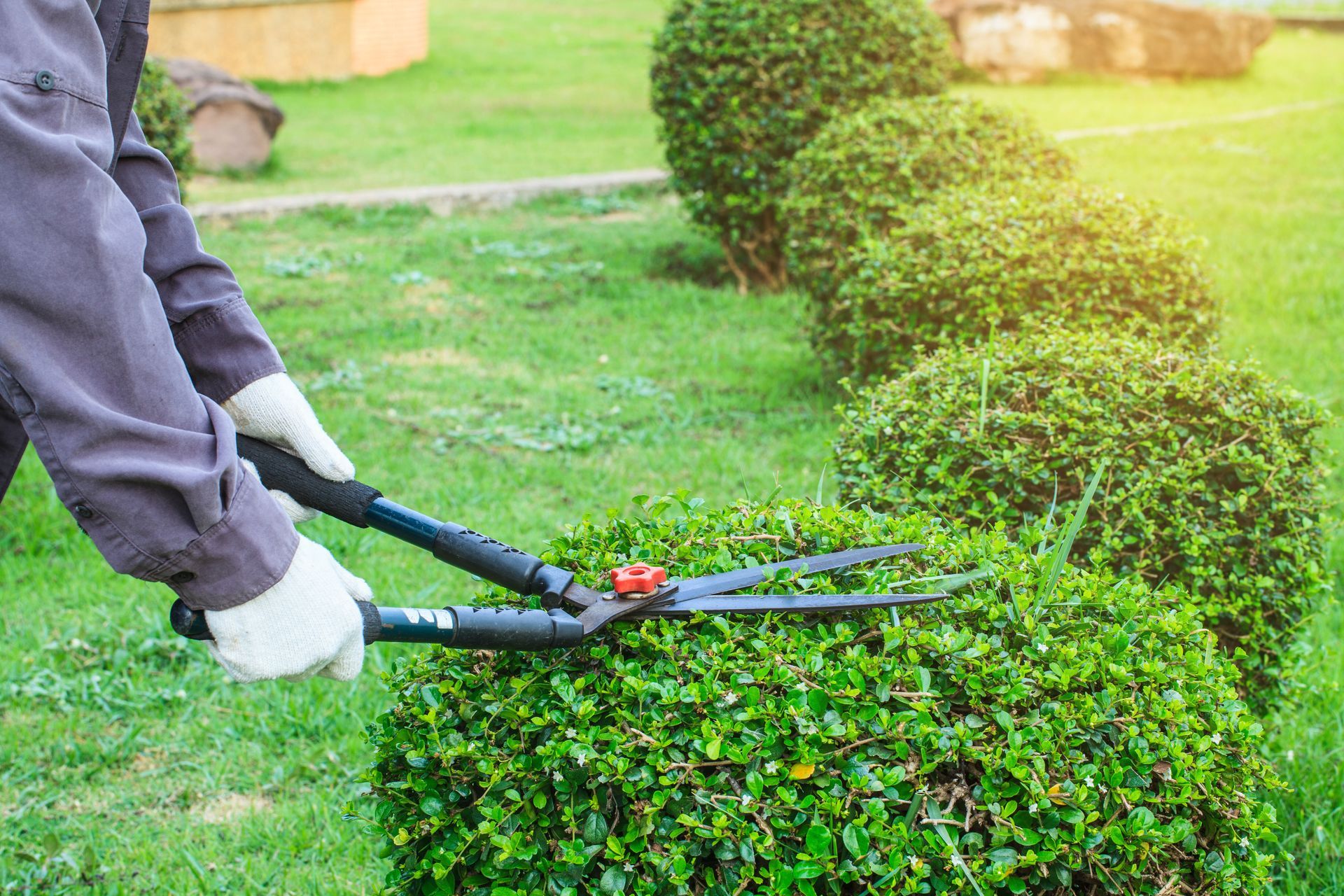
Consistent lawn maintenance helps identify developing concerns before extensive damage occurs. Appropriate mowing practices, vegetation management, and professional evaluations can support healthier growing conditions.
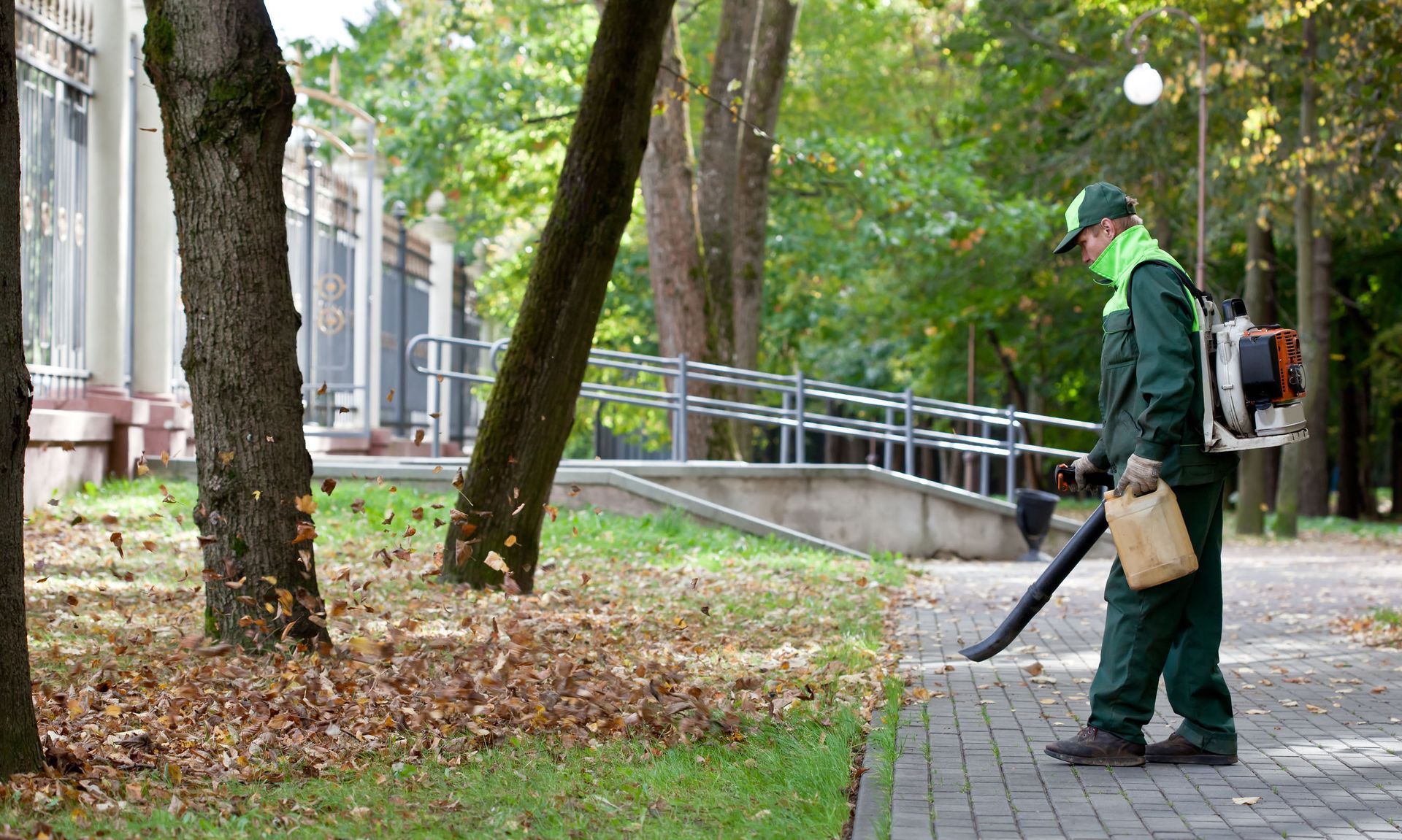
According to the U.S. Bureau of Labor Statistics, nearly 929,930 people nationwide were employed in occupations involving the care and maintenance of property grounds.
This workforce reflects the broad range of responsibilities associated with maintaining outdoor environments, including protecting vegetation and addressing conditions that influence property health.
Preventing How Seasonal Weather Increases Erosion
Weather conditions can significantly influence the severity of erosion and drainage problems. Heavy rainfall, prolonged wet periods, and seasonal changes in vegetation growth all affect how soil responds to moisture.
During intense storms, rainfall may exceed the ground's ability to absorb water. Excess moisture then travels across the surface, potentially carrying sediment into walkways, drainage systems, and neighboring areas.
Periods of dry weather can create different challenges. Reduced vegetation coverage may leave soil exposed when rainfall eventually returns.
Professional landscaping helps property owners prepare for these changing conditions through ongoing vegetation care and periodic evaluation of vulnerable areas.
Seasonal maintenance may reveal blocked drainage outlets, thinning ground coverage, or developing erosion channels that require attention.
Recognizing these changes allows property managers to address concerns before repeated weather events make existing problems more difficult to resolve.
Maintaining reliable drainage and healthy vegetation throughout the year supports greater resilience during unpredictable weather conditions.
Protecting How Professional Planning Preserves Property Value
Effective erosion prevention requires more than addressing visible water accumulation. Soil characteristics, property slopes, vegetation patterns, and existing drainage infrastructure must work together to support long-term stability.
Professional planning considers these interconnected factors when evaluating potential improvements. A solution suitable for a relatively level lawn may be inappropriate for a steep slope or heavily compacted area.
Landscaping professionals can also identify how routine property maintenance influences drainage performance over time. Changes in vegetation, sediment accumulation, and altered surface conditions may affect systems that previously functioned properly.
Well-maintained outdoor areas can support property usability, improve appearance, and reduce the likelihood of avoidable landscape damage.
Investing in preventive care may also limit the need for more extensive corrective work when drainage problems are discovered early.
By coordinating vegetation management, soil protection, and runoff control, property owners can maintain outdoor environments that remain attractive and functional.
Understanding How Preventive Care Supports Lasting Results
Soil erosion and drainage problems can gradually compromise the appearance, stability, and usability of outdoor spaces. Maintaining healthy vegetation, protecting exposed soil, and managing water movement are essential components of effective prevention.
Professional landscaping provides an integrated approach that addresses both visible concerns and the underlying conditions contributing to runoff and soil displacement.
Regular evaluations and appropriate maintenance help preserve these improvements as environmental conditions change. With thoughtful planning and consistent care, property owners can better protect their landscapes against moisture-related damage.
At BT Property Services LLC, we understand the importance of maintaining outdoor spaces that are healthy, functional, and visually appealing. We provide property maintenance services designed to support your lawn's condition and overall outdoor environment.
Our team can help you explore practical maintenance options that suit your property's needs. Contact us today to learn more about our services and how we can help you care for your outdoor spaces.