May 28, 2026
A retaining wall can help improve the appearance and functionality of residential and commercial landscapes. These structures are often used on properties with uneven terrain or noticeable elevation changes. They can also help create a more organized outdoor environment while supporting surrounding landscape features.
Landscape projects often combine hardscaping, drainage improvements, planting, and lighting to create a cohesive outdoor design. Material selection and layout choices can influence how the finished space looks and functions over time. Careful planning can help outdoor areas feel more polished, practical, and visually balanced.
Practical Retaining Walls
Understand Retaining Walls
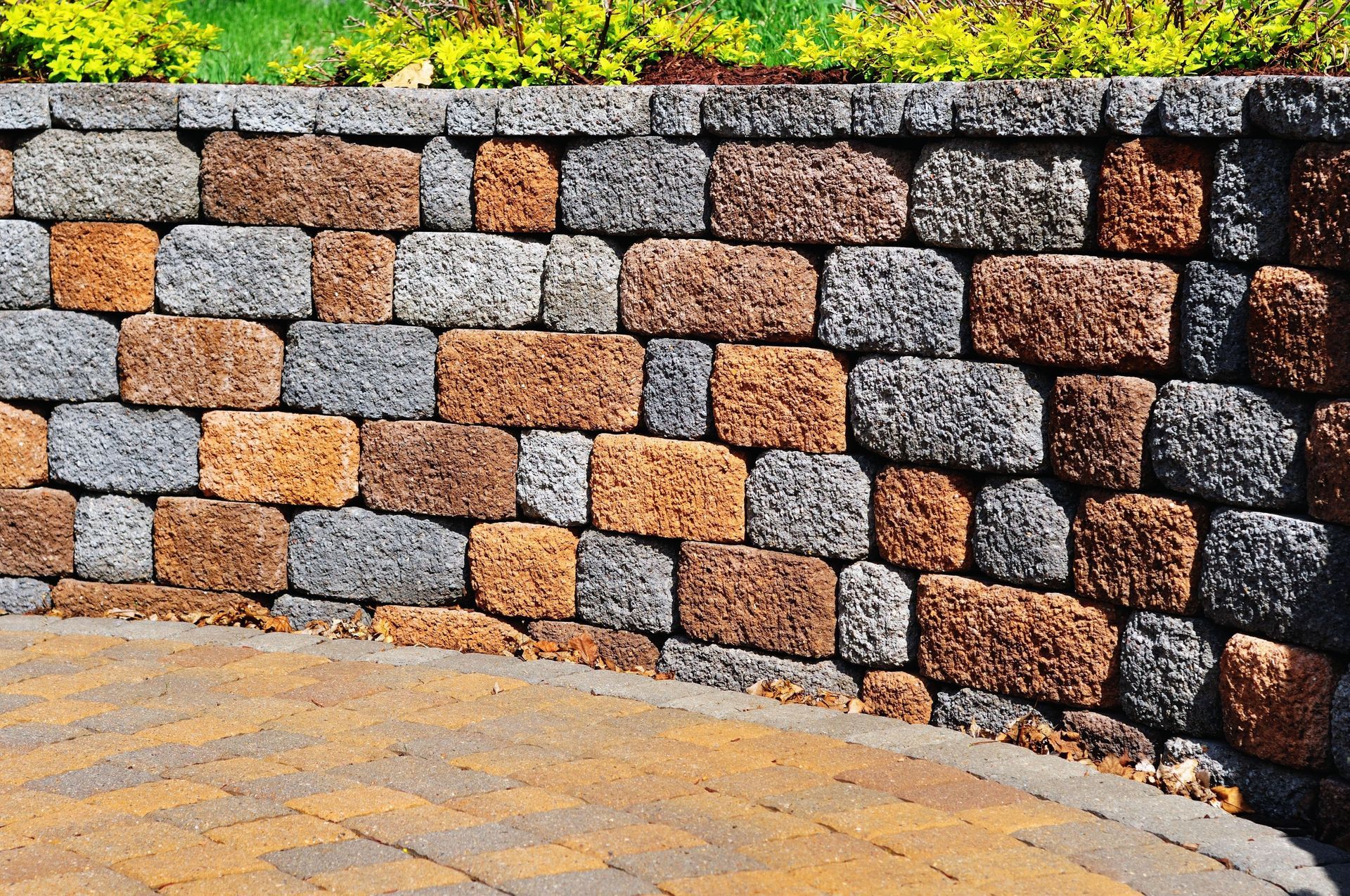
A retaining wall is designed to help support soil and manage elevation changes throughout a landscape. These structures are commonly installed on sloped properties where additional support and organization may be needed. They can also contribute to the overall appearance of an outdoor space by adding depth and structure.
Choose Common Materials
Landscape support structures can be built using materials such as stone, concrete, and wood. Each material offers a different appearance that may complement surrounding patios, planting beds, or walkways. Property owners often select materials based on durability, maintenance preferences, and overall design goals. Some materials may create a more natural appearance, while others can contribute to a cleaner and more modern landscape design. Coordinating material choices with existing outdoor features can also help create a more cohesive and visually balanced property layout.
Explore Design Options
A retaining wall may be incorporated into outdoor spaces to help separate landscape features and improve layout organization. These structures are often paired with planting areas, pathways, and patios to create a more complete design. Material textures and finishes can also influence the overall appearance of the property.
Consider Project Planning
Planning outdoor improvements often involves reviewing slope conditions, drainage patterns, and available space. Water movement throughout the landscape may affect how support structures and surrounding features are positioned. Coordinating hardscaping and drainage solutions can help improve the functionality of the property over time. Evaluating the property's layout early in the planning process may also help identify areas that could benefit from additional support or landscape improvements. Thoughtful preparation can contribute to a smoother installation process and a more organized final design.
Functional Retaining Walls
Control Erosion
A retaining wall may help reduce soil movement on properties with sloped terrain or recurring runoff concerns. Supporting soil in key areas can help maintain planting beds and nearby hardscape features. This type of improvement may also contribute to better long-term landscape organization.
Prevent Flooding
Drainage management can play an important role in maintaining outdoor spaces during periods of heavy rainfall. Landscapes affected by standing water may benefit from improvements that help direct runoff more effectively. Combining drainage solutions with hardscaping features may help support overall property maintenance.
Create Usable Land
Outdoor support structures can help transform uneven terrain into more functional sections of a property. Flatter areas may create additional space for planting beds, walkways, or gathering areas. Improved layout organization can also make outdoor spaces easier to maintain and enjoy.
Enhance Visual Appeal
Hardscape features can add texture, dimension, and visual structure to a landscape design. Coordinating lighting, planting, and walkway features may help create a more balanced appearance throughout the property. Well-planned outdoor layouts can also improve curb appeal for residential and commercial spaces.
Thoughtful Landscape Planning
Assess Property Needs
Evaluating the condition of a property can help determine which landscape improvements may be beneficial. Factors such as drainage patterns, uneven terrain, and erosion concerns may influence project planning decisions. Reviewing how outdoor areas are currently used can also help shape the overall layout.
Select the Right Material
Material selection can affect both the appearance and maintenance requirements of an outdoor feature. Stone and concrete are often chosen for their durability and ability to complement many landscape styles. Wood may also be used in some applications to create a more natural visual effect.
Plan a Retaining Wall Project
A retaining wall project may involve reviewing elevation changes, surrounding hardscape features, and drainage concerns before installation begins. Property layout and accessibility can also affect the overall design process. Careful planning may help outdoor spaces feel more cohesive and functional after the work is completed.
Balance Design Features
Landscape design often involves balancing functionality with visual appeal throughout the property. Pathways, patios, planting areas, and lighting features may all influence the final layout. Coordinating these elements can help create a more organized and visually consistent outdoor environment.
Professional Landscape Construction
Prepare the Site
Preparing a property for outdoor construction may involve clearing debris and evaluating drainage conditions. Proper site preparation can help create a cleaner workspace before installation begins. It may also help identify landscape areas that require additional attention during the project.
Install a Retaining Wall
A retaining wall may be added to properties with uneven terrain, runoff concerns, or noticeable elevation changes. These structures are often incorporated into broader landscaping and hardscaping projects. Coordinating surrounding features can help improve the appearance and usability of outdoor spaces.
Manage Drainage Features
Drainage improvements may help support landscape stability and reduce water accumulation throughout the property. Sloped areas often benefit from solutions designed to help direct runoff more effectively. Combining drainage features with planting and hardscaping may also improve long-term property maintenance.
Ongoing Landscape Maintenance
Inspect Outdoor Features
Routine inspections can help property owners monitor the condition of outdoor features over time. Checking for visible wear, drainage concerns, or shifting materials may help identify areas that require maintenance. Ongoing attention can also support the overall appearance of the landscape.
Address Drainage Issues
Drainage concerns may affect planting areas, hardscaping, and other outdoor improvements. Monitoring water accumulation after rainfall can help identify sections of the property that need attention. Managing runoff effectively may also help support long-term landscape organization.
Repair Visible Damage
Outdoor features may experience wear from moisture, seasonal weather, and changing ground conditions over time. Addressing visible damage early may help maintain the appearance and usability of the landscape. Routine upkeep can also help support the condition of surrounding hardscape elements.
Maintain Seasonal Landscapes
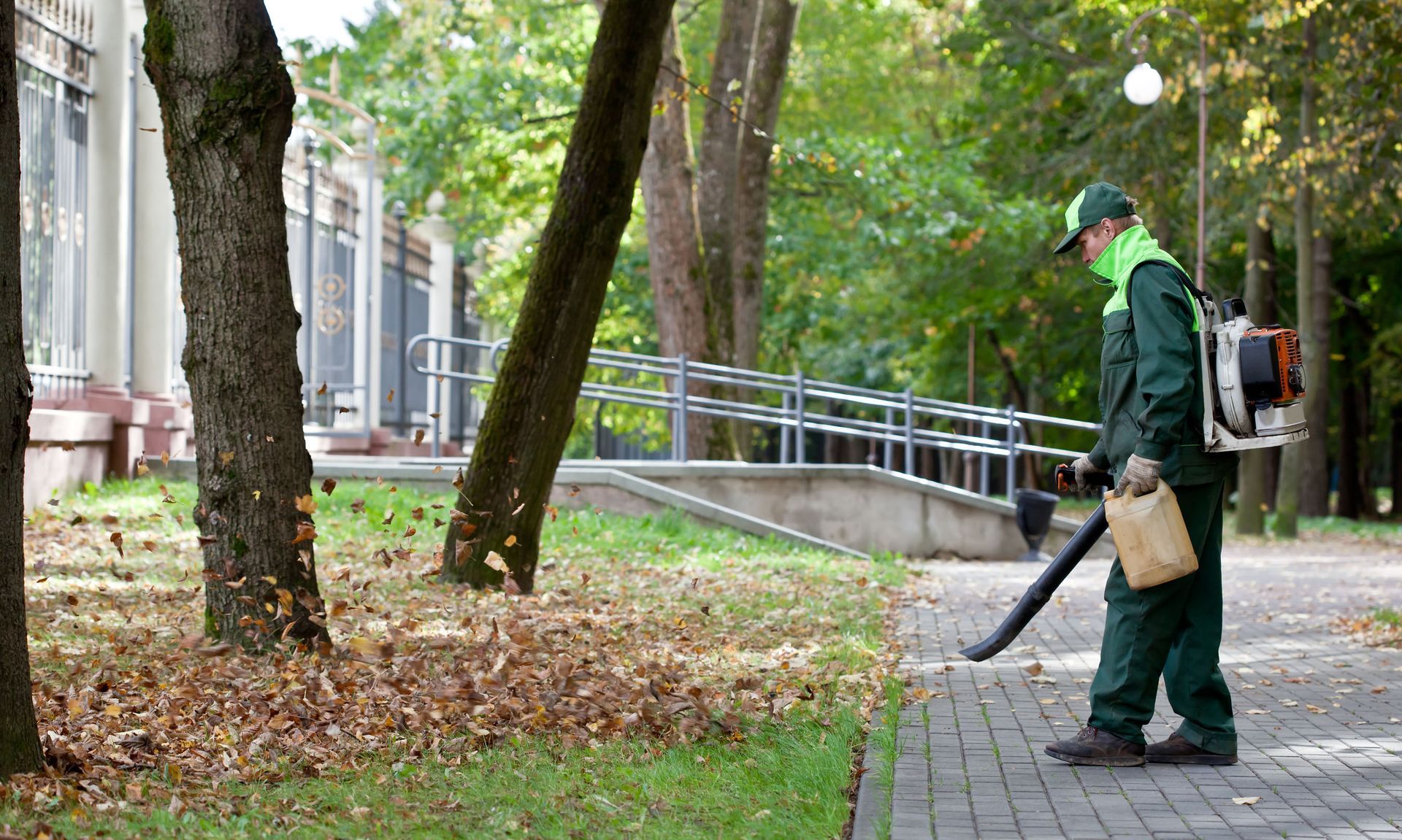
Seasonal maintenance services may include spring cleanup, fall cleanup, leaf removal, and general property upkeep. These services can help outdoor spaces remain clean and visually appealing throughout the year. Consistent maintenance may also support the condition of surrounding landscape features.
Long-Term Landscape Investments
Understand Cost Factors
Project costs may vary depending on material selection, property conditions, and the overall scope of the work. Additional features such as drainage improvements, planting areas, lighting, and walkways may also affect pricing. Accessibility and landscape layout can influence preparation requirements before installation begins.
Increase Long-Term Value
According to This Old House in 2025, retaining walls are usually 3 feet tall, and retaining walls higher than 4 feet may require special permits. Outdoor improvements may help support the appearance and functionality of a property over time. Combining hardscaping, drainage solutions, and landscaping features can contribute to a more organized outdoor environment.
To learn more about improving outdoor spaces with landscaping, hardscaping, drainage solutions, planting, and landscape lighting, property owners can explore the services offered by BT Property Services LLC. Our team works with residential and commercial properties to help create functional and visually appealing outdoor environments. Additional property maintenance services are also available to help support long-term landscape upkeep and organization.