October 26, 2026
A well-designed landscape can make a property more attractive, functional, and enjoyable to use. However, sloped yards, soil erosion, and uneven ground can make it difficult to create an outdoor space that meets your needs. Adding a retaining wall is one way to address these challenges while improving the appearance and usability of your property. These structures help manage changes in elevation, support soil, and create opportunities for new landscaping features. For homeowners looking to make better use of their outdoor space, BT Property Services LLC can help explore landscaping improvements that complement the property. Understanding the benefits of retaining walls can help you determine whether this addition is the right choice for your yard.
Improving the Appearance of Your Landscape
One of the most noticeable benefits of a retaining wall is its ability to enhance the overall appearance of your landscape. Sloped or uneven yards can be difficult to maintain and may lack a clear design. A carefully planned wall introduces structure, creates defined areas, and gives the yard a more organized appearance.
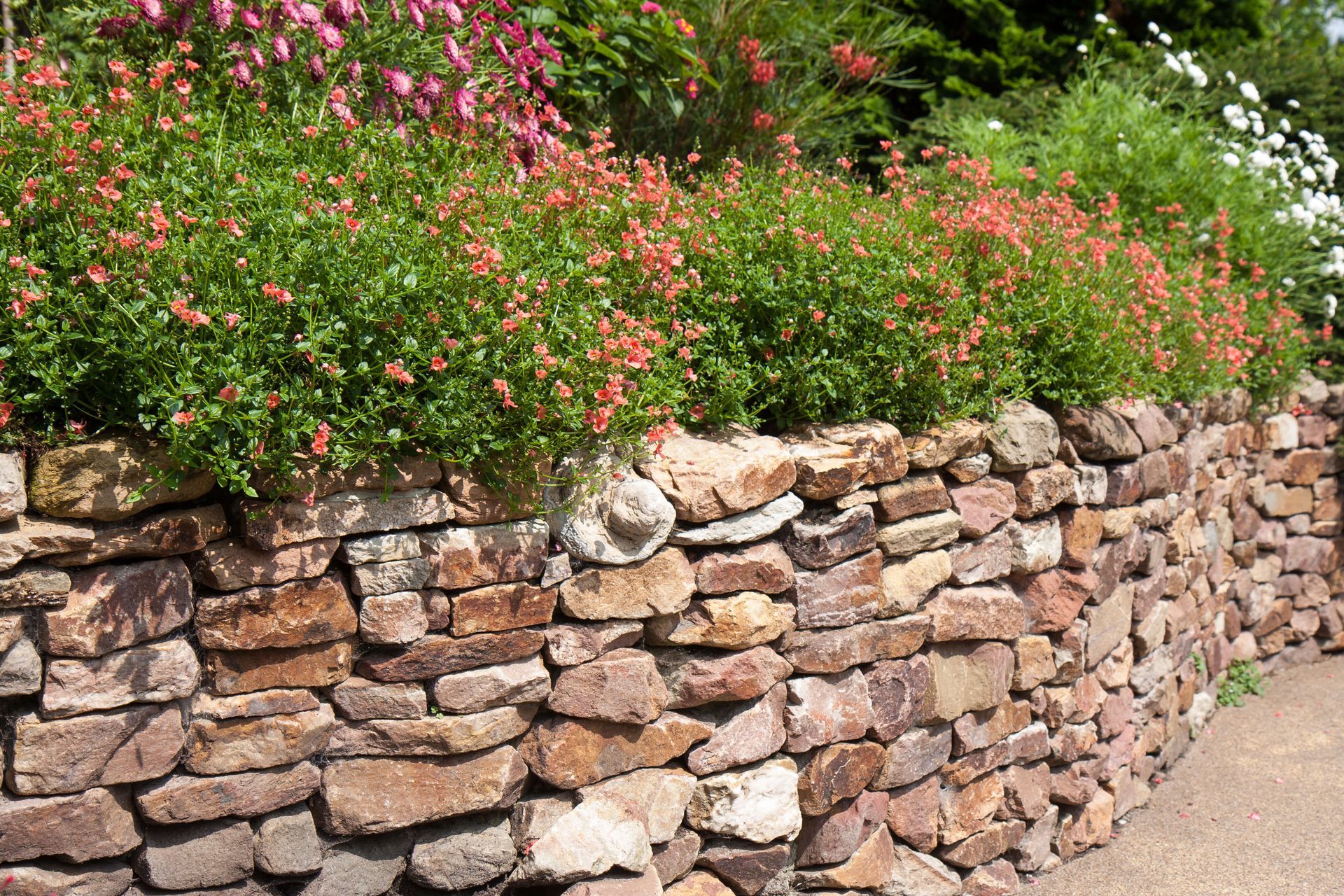
Retaining walls are available in various materials, colors, textures, and styles. Natural stone can create a traditional, organic appearance, while concrete blocks offer a clean and versatile look. Brick may complement classic architectural styles, and other masonry options can provide a more contemporary finish. Selecting materials that coordinate with your home and existing landscape helps create a cohesive outdoor design.
These walls can also serve as decorative features rather than simply practical structures. Curved walls, contrasting textures, and tiered designs can add visual interest to otherwise plain areas. With thoughtful planning, a retaining wall can become an attractive focal point that complements gardens, walkways, patios, and other outdoor features.
Preventing Soil Erosion and Ground Movement
Soil erosion is a common concern for properties with sloped terrain. Rainwater naturally moves downhill, carrying loose soil with it. Over time, this process can wash away landscaping materials, expose plant roots, and create uneven areas throughout the yard. Properties with steep slopes or limited vegetation may be especially vulnerable.
A retaining wall helps hold soil in place by creating a barrier that supports the ground behind it. When properly designed and installed, the structure can reduce soil movement and help preserve the shape of the landscape. This is particularly useful near garden beds, sloped lawns, and areas where erosion could affect nearby outdoor features.
Managing soil erosion can also reduce the need for repeated landscaping repairs. Instead of continually replacing displaced soil or reshaping damaged areas, homeowners can address some of the underlying challenges associated with sloped terrain.
However, retaining walls must be designed for the conditions of the property. Wall height, soil composition, slope, and drainage requirements all influence the appropriate construction approach. Proper installation helps the structure perform its intended function and reduces the likelihood of shifting, cracking, or other problems over time.
Creating More Usable Outdoor Space
An uneven yard can limit how homeowners use their outdoor areas. Steep slopes may make it difficult to place outdoor furniture, establish gardens, or create comfortable spaces for recreation. A retaining wall can help transform these challenging areas into more practical sections of the landscape.
By holding back soil, a retaining wall can create a flatter area on a sloped property. Depending on the layout and grade, this space may accommodate a patio, seating area, lawn, or garden. Rather than leaving part of the yard difficult to access, homeowners can explore ways to incorporate it into their overall outdoor design.
Terraced retaining walls offer another option for properties with significant elevation changes. Multiple walls can create a series of level sections, allowing different parts of the yard to serve different purposes. One terrace might contain ornamental plants, while another provides room for outdoor dining or a small lawn.
The amount of usable space gained depends on the property's size, slope, and layout. Planning the project around the intended activities helps ensure the finished landscape is both attractive and practical.
Supporting Better Drainage Management
Water management is another important consideration when planning landscape improvements. Heavy rainfall can create runoff, wash away soil, and leave water collecting in unwanted areas. On sloped properties, water may move quickly downhill, potentially affecting planting beds, walkways, and other outdoor features.
A retaining wall can be incorporated into a broader drainage plan to help manage these conditions. Depending on the property's needs, the design may include drainage stone, perforated pipes, drainage outlets, or other measures that allow water to move away from the wall safely. These features help reduce the buildup of water pressure behind the structure.
Proper drainage is essential because water trapped behind a wall can place substantial pressure on it. Without an appropriate drainage system, even a wall built with durable materials may experience movement, cracking, or premature deterioration.
It is important to remember that a retaining wall does not automatically solve every drainage problem. The surrounding grade, soil conditions, roof runoff, and existing drainage systems must all be considered. A well-planned installation accounts for how water moves across the property and helps prevent the project from creating new runoff concerns.
Increasing Property Value and Curb Appeal
Outdoor improvements can influence how a property looks and how potential buyers perceive it. A landscape with defined garden beds, stable slopes, and attractive outdoor features may appear more polished and easier to maintain than one with visible erosion or poorly organized terrain.
According to LawnStarter, retaining walls can boost curb appeal with both their appearance and functionality, which can increase home value by up to 15%. While this figure is not a guaranteed increase for every property, it highlights how landscaping improvements may contribute to a home's overall appeal.
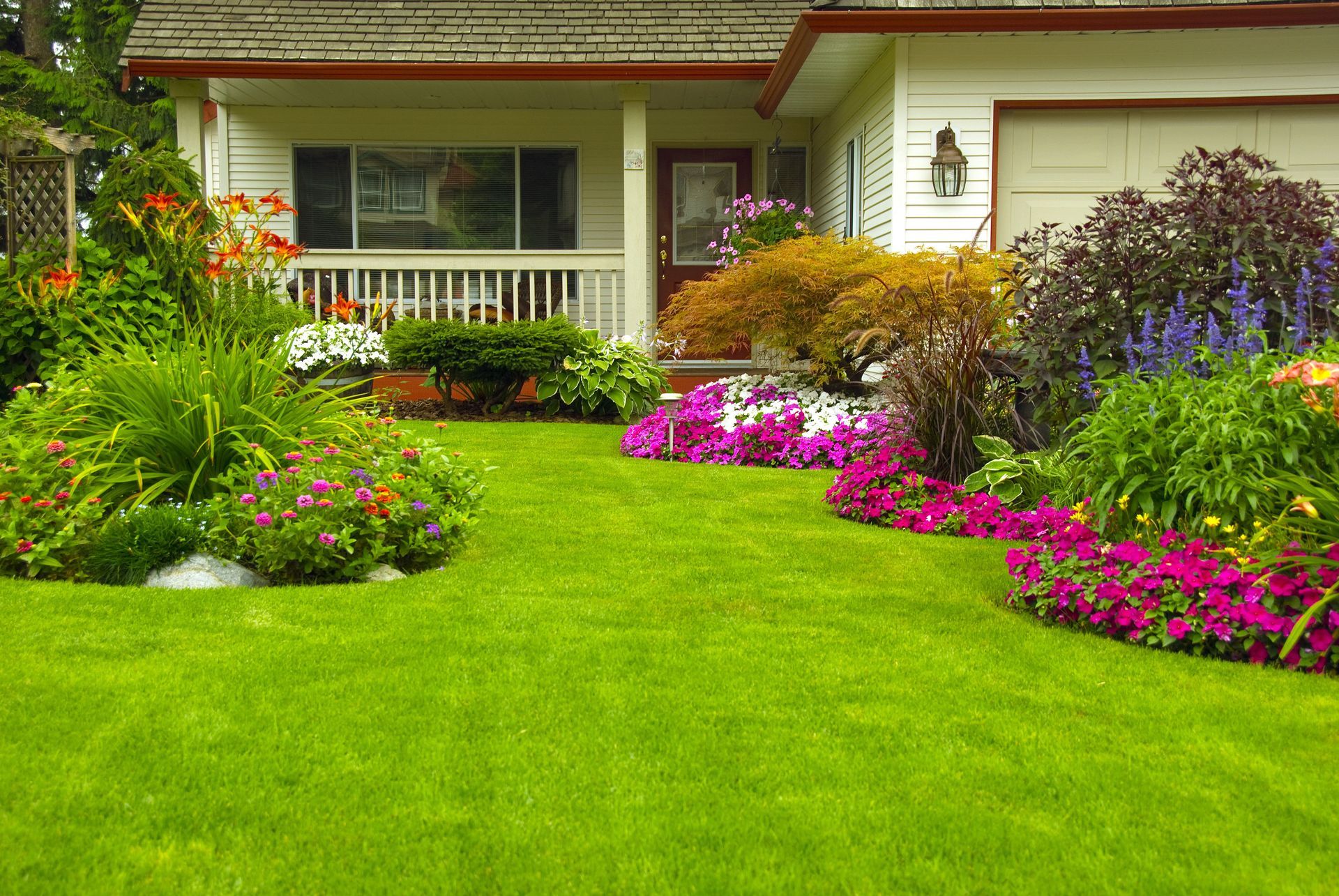
A retaining wall can improve curb appeal by introducing clean lines, adding dimension, and creating a more intentional landscape design. Decorative stone or masonry can complement the home's exterior, while well-maintained planting areas can soften the structure's appearance.
Practical benefits may also matter to prospective buyers. A wall that helps manage a slope or creates a usable outdoor area can make the property more appealing to people who want functional landscaping. However, the impact on resale value depends on factors such as the local housing market, construction quality, design, and the condition of the rest of the property.
Homeowners should view increased property value as a potential benefit rather than a guaranteed financial return. Choosing a wall that addresses an actual landscaping need can provide everyday advantages regardless of future resale plans.
Defining Garden Beds and Outdoor Features
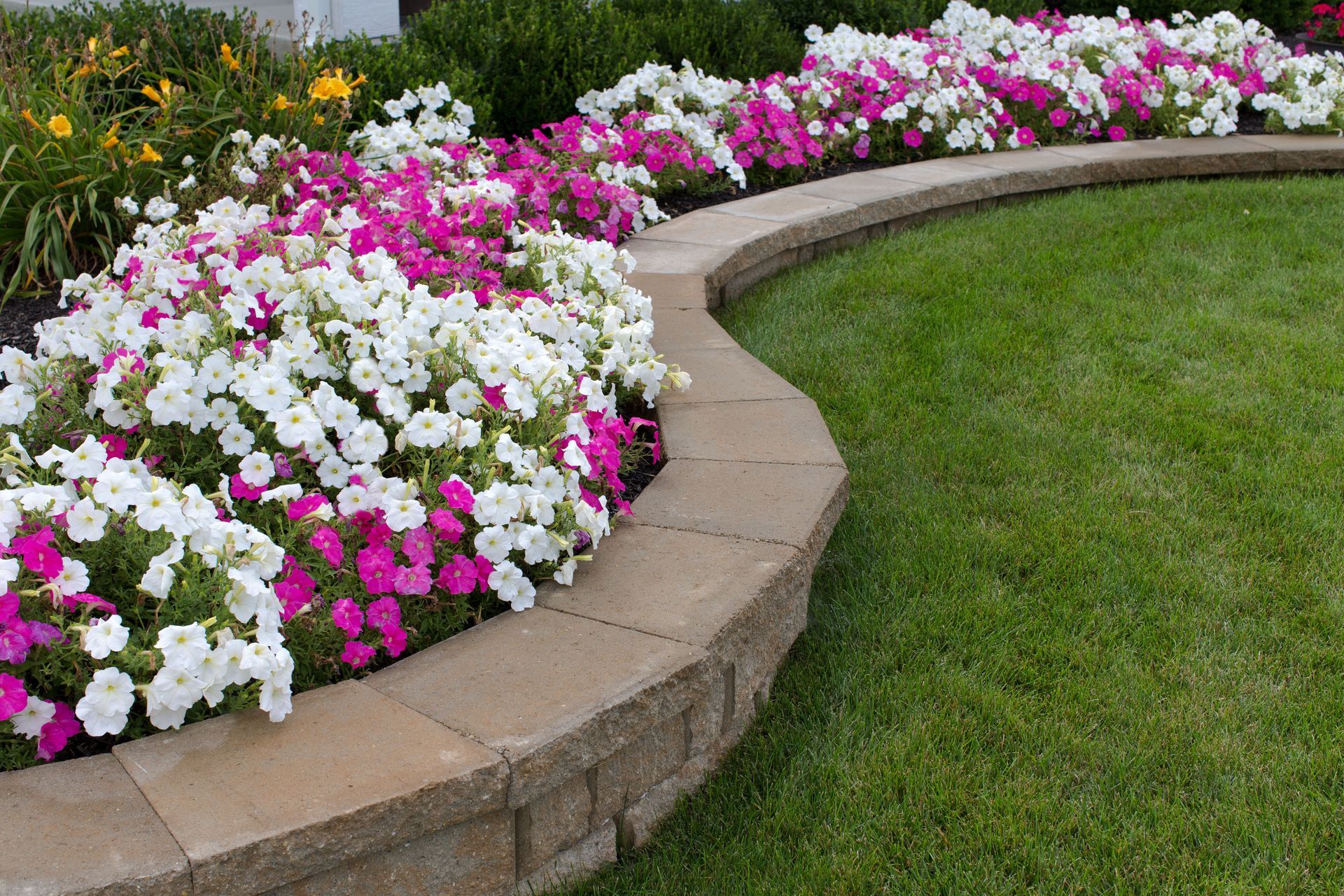
Retaining walls can help organize a landscape by separating different areas of the yard. Without clear boundaries, lawns, flower beds, pathways, and decorative features may blend together in ways that make the overall design feel unfinished. A wall creates a defined edge that helps distinguish one section from another.
Raised garden beds are one popular application. A retaining wall can hold the soil needed for planting while making the garden easier to incorporate into the surrounding landscape. Depending on the design, raised planting areas may also make certain gardening tasks more convenient by bringing plants closer to a comfortable working height.
Walls can also frame patios, line walkways, or separate recreational areas from planting zones. These boundaries help establish a natural flow through the yard and make different features feel connected without blending into one another.
Plant selection can further enhance the finished design. Flowers, ornamental grasses, shrubs, and ground cover can soften hard surfaces and introduce color and texture. Choosing plants that suit the local climate, sunlight, and soil conditions can help maintain a healthy landscape with manageable upkeep.
Adding a
retaining wall can provide several benefits, from improving curb appeal and reducing soil erosion to creating more usable outdoor space. With the right design, materials, and drainage provisions, this feature can make a sloped or uneven yard more functional while complementing the rest of your landscape. Before beginning construction, consider your property's needs and the long-term performance of the structure. BT Property Services LLC can help you explore landscaping improvements that fit your property and outdoor goals. With thoughtful planning, a retaining wall can become a lasting and valuable addition to your home. Contact us today for more information.